The Fire Choir
The Fire Choir is a project combining robotics and pyrotechnics to create a captivating visual and auditory experience. An array of fire-breathing pumpkins is synchronized to perform in harmony — a "choir" of flames that dance to music. The system is controlled by a custom-built platform managing the timing and intensity of each flame over a network, ensuring a safe and spectacular performance.
What started as a single PLC-controlled jack-o-lantern grew into a multi-pumpkin, Raspberry Pi–orchestrated, music-synchronized fire installation shown at the Hopkinton State Fair. This page documents that journey from first spark to full choir.
Ghostbusters playing on the Fire Choir — unmute for the full experience!
System Overview
The diagram below shows the full pneumatic and electrical flow of the system: propane flows from tanks through a regulator and manifold, into individual solenoid valves for each pumpkin. The Micro850 PLC controls the solenoids over hardwired I/O, while ignition is handled by a 300W hot surface igniter per pumpkin. The Raspberry Pi communicates with the PLC over Modbus TCP/IP to drive music-synchronized firing sequences.
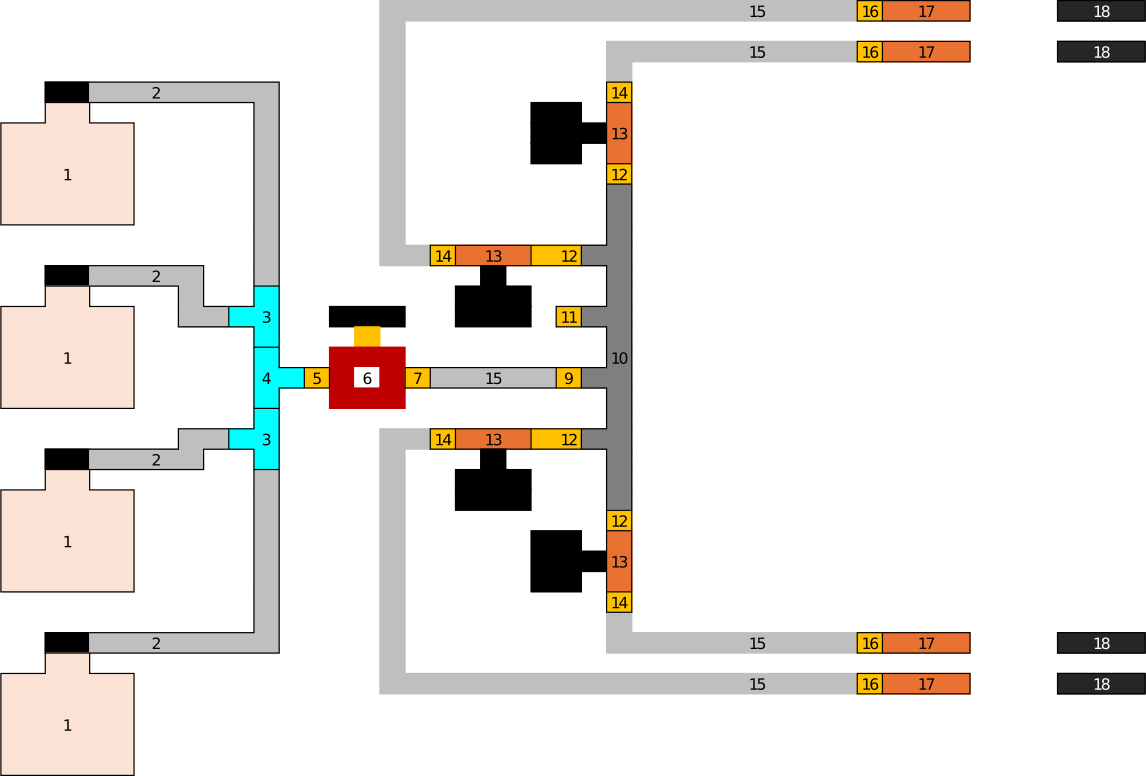
Finalized system flow map — pneumatic lines, solenoid valves, ignition, and control architecture
2024 — The Original
The 2024 iteration featured a single jack-o-lantern. A solenoid valve connected to a propane source controlled the flame, with timing managed entirely by the Allen-Bradley Micro850 PLC. There was no music synchronization in this version — it would simply breathe fire when a button was pressed on the HMI.
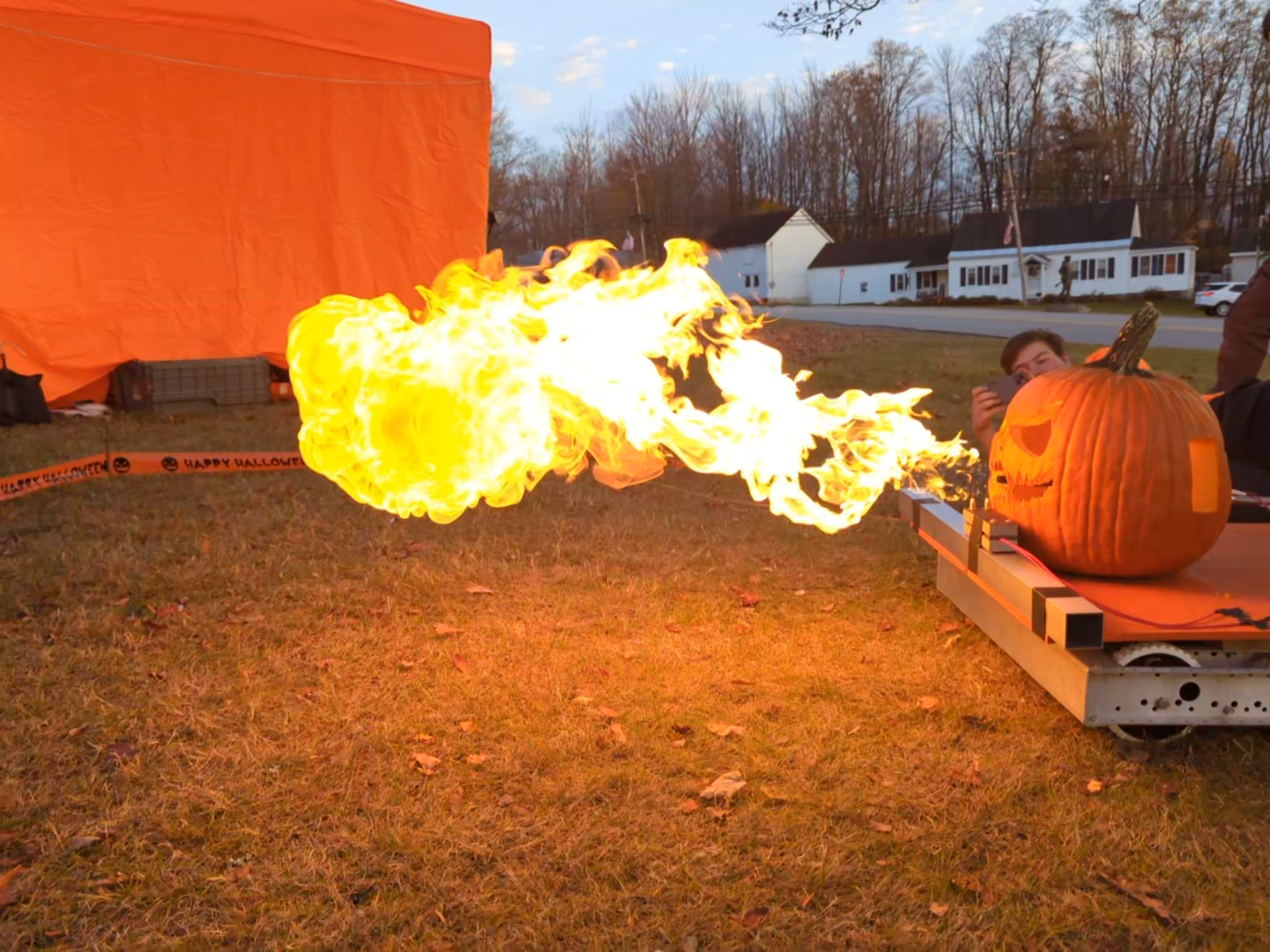
The original Fire Choir — one pumpkin, one solenoid, one PLC
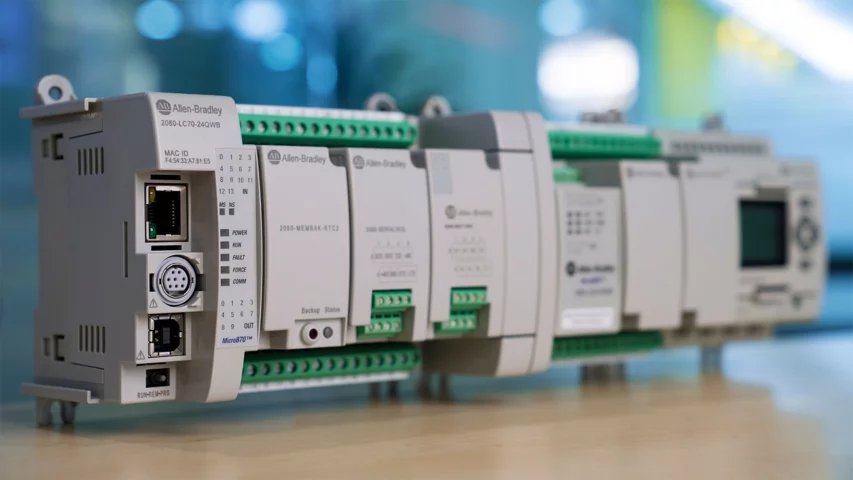
The Allen-Bradley Micro850 PLC — the brains of the original system
Ignition — First Attempt: Flyback Converter
The first ignition system used a flyback converter to generate a high-voltage spark. On paper it seemed ideal — compact and controllable. In practice it was a disappointment: it was loud, unreliable, and would blow out entirely when it got too hot. Reliable ignition in a (windy!) outdoor Halloween environment demands something more robust.
The flyback converter igniter — scrapped due to noise, inefficiency, and heat failures
Ignition — The Fix: Hot Surface Igniter
The replacement was a furnace hot surface igniter (HSI) rated at 300W. These are designed to reach ignition temperatures reliably in all weather conditions — exactly what a residential furnace (and a Halloween fire installation) needs. Unlike the flyback, there are no moving parts, no high-voltage arcing, and no heat-related shutdowns. A K-type thermocouple and multimeter confirmed the element reached well over 1000°F before propane was introduced.
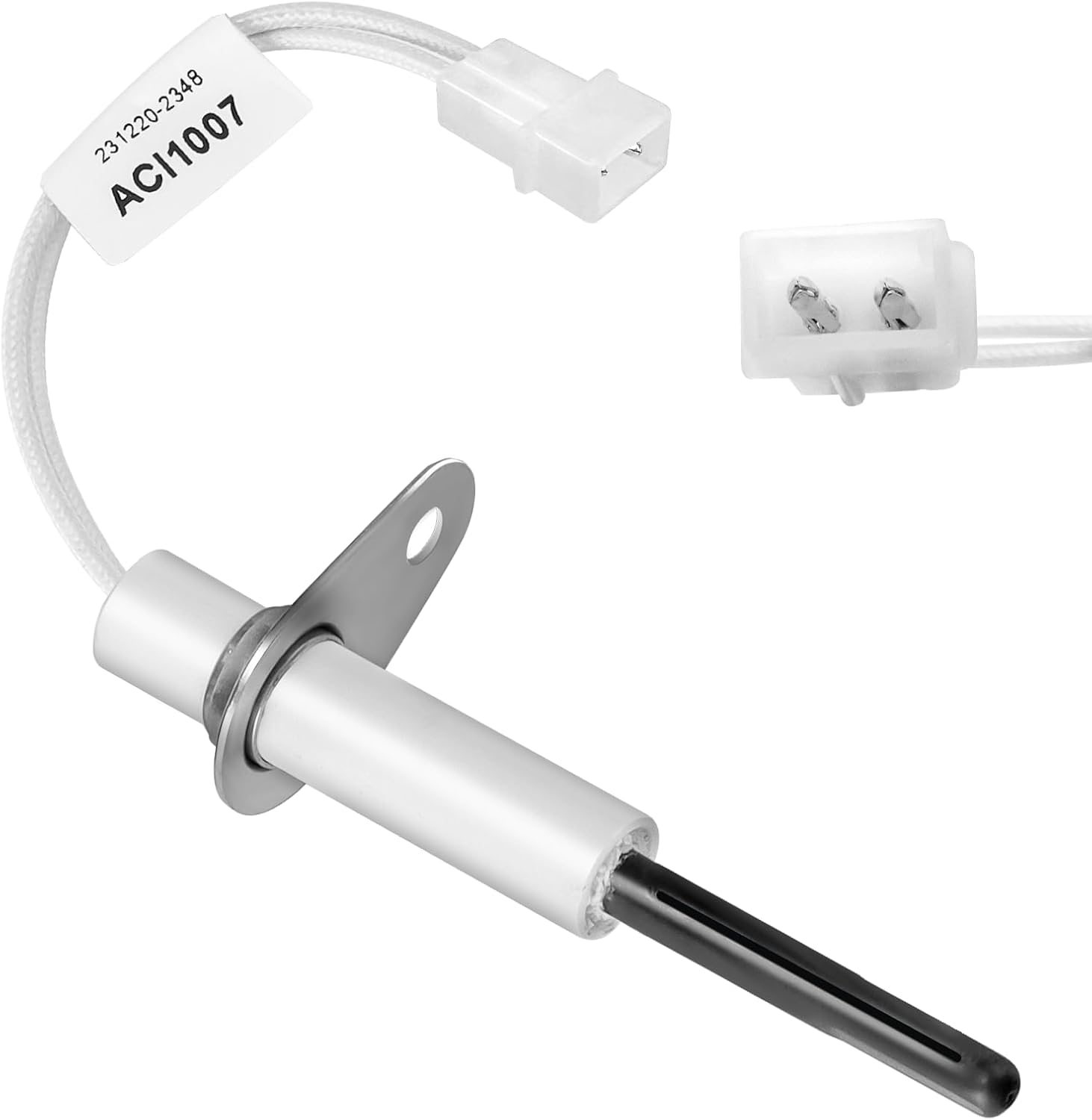
The 300W furnace hot surface igniter — silent, reliable, and heat-tolerant
First warmup of the HSI — watch it glow orange as it reaches ignition temperature
Early Testing
Before pumpkins were in season, testing had to happen with whatever was available. A watermelon made a surprisingly good stand-in — roughly the right size, Once the flame was stable, more important experiments followed: my little brother discovered that the jet is perfectly sized for making marshmallows.
Early stand-in testing with a watermelon — pumpkins weren't in season yet
During this test I realized that the gaseous propane was cooling down the igniter,
and diminishing the response time to around 1 fire per second. This was fixed
in our next test by aiming the propane stream at the end of the igniter,
allowing it to remain mostly heated during operation. This also reduces the intense
thermal stresses on the igniter to a more manageable level.
There was also another problem, there was not enough oxygen at the igniter for
the propane to reliably ignite. I thought of two ways to solve this:
- - Place the igniter outside the pumpkin
- - Inject oxygen into the stream of propane
Of these options I like placing the igniter outside the pumpkin the best, this option also prevents damage to the pumpkin from the excessive heat from the igniter
An important test: marshmallow roasting capability confirmed
Scaling Up — The Gas System
Scaling from one pumpkin to four meant multiplying the fuel system. A single tank couldn't sustain pressure across four solenoids firing in rapid succession — the regulator would drop and the flames would shrink mid-performance. The solution was four tanks running in parallel through the manifold, keeping pressure stable across all four lines simultaneously.
Pressure drop through the regulator with a single tank, by this point it was clear we needed more
Four tanks in parallel — consistent pressure and full flame height maintained. Don't mind the talking in the background, this was a very impressive first test of the beatmapping software.
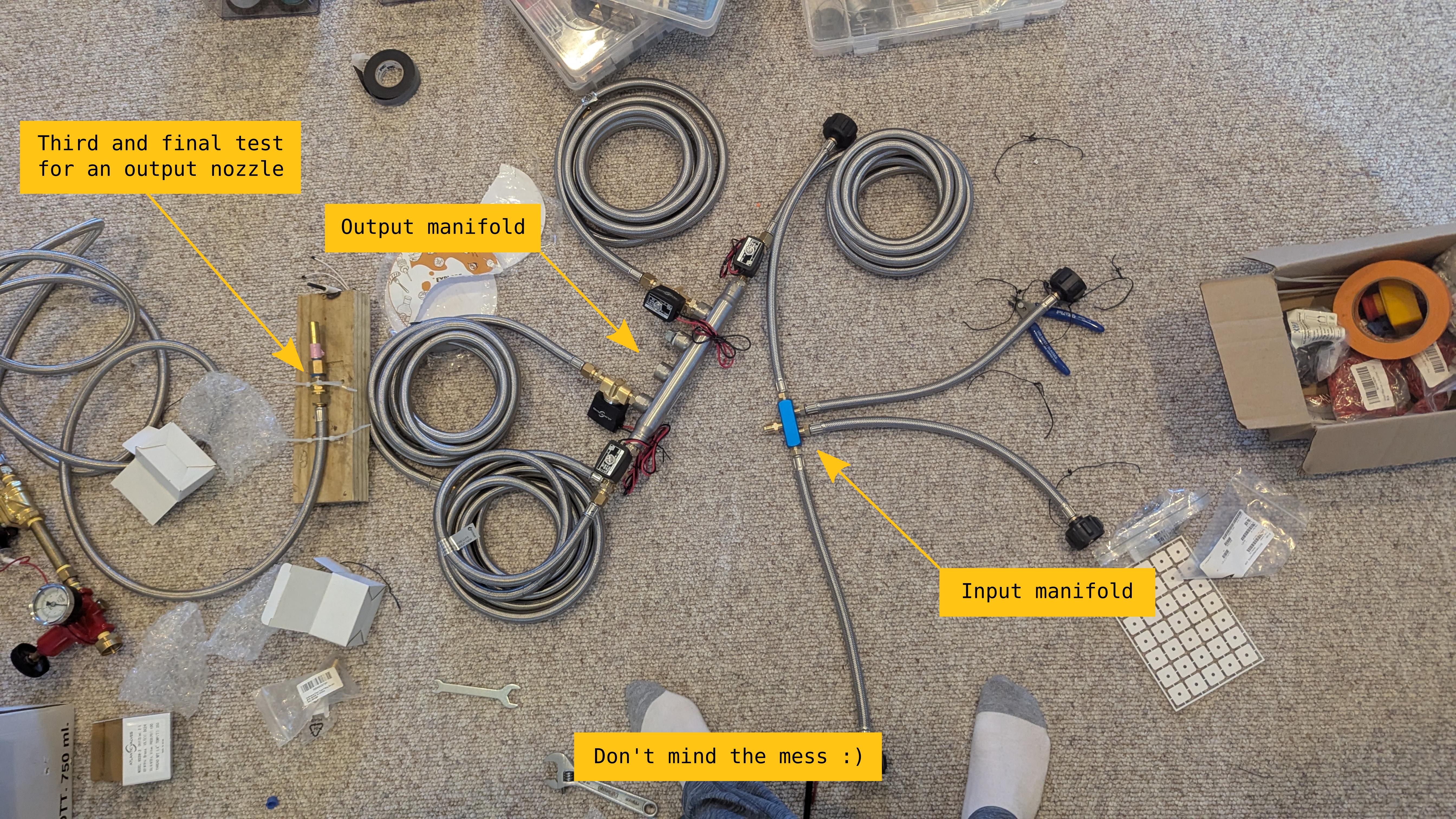
The propane manifold connected to solenoid valves and distribution tubing
The HMI
The human machine interface (HMI) panel came with a factory-programmed layout from its previous life controlling a Sugar Babies candy manufacturing line. After cleaning years of accumulated sugar residue off the touchscreen and reflashing the firmware, a friend helped design a custom UI for the Fire Choir — allowing individual pumpkins to be fired manually, toggled, or sequenced without touching the PLC program.
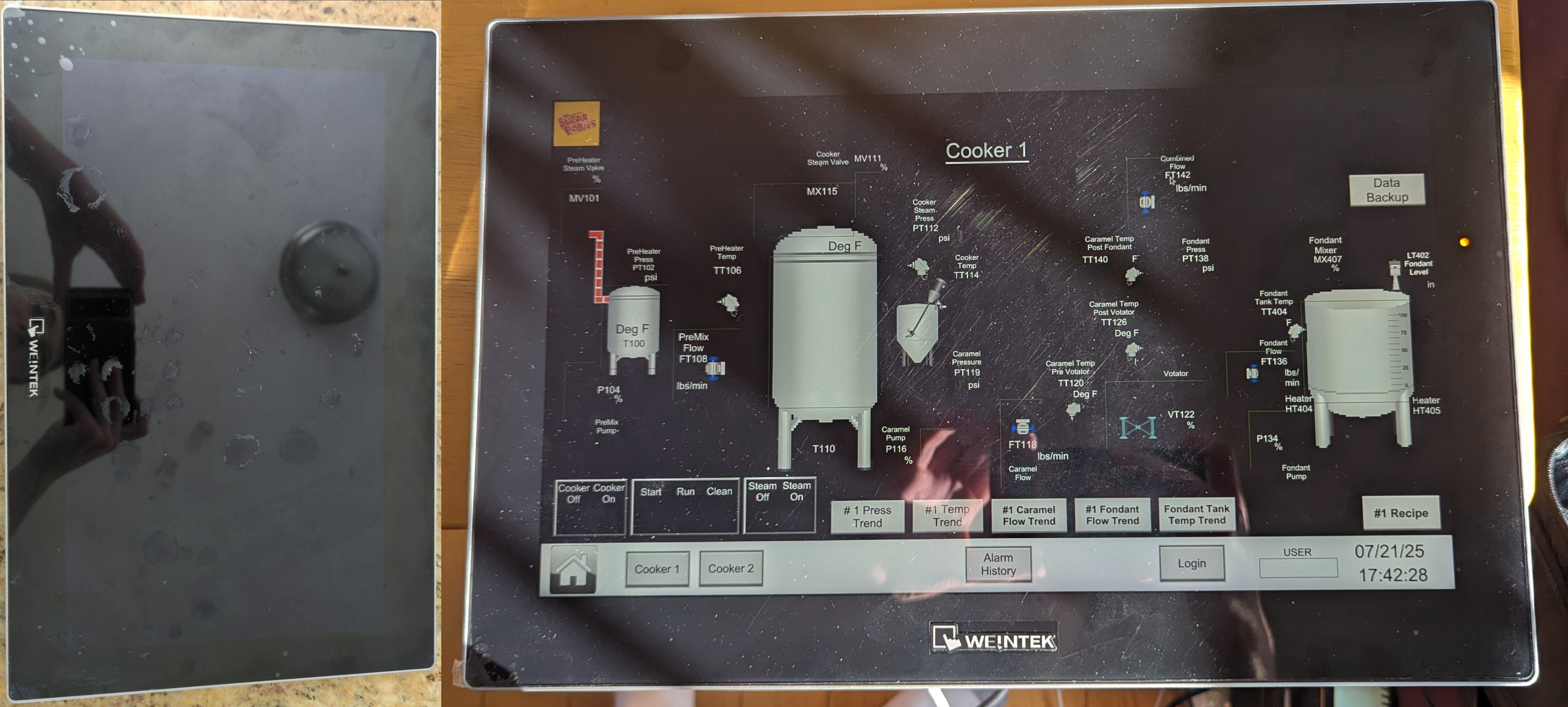
The HMI fresh off the shelf — still showing its Sugar Babies candy factory layout
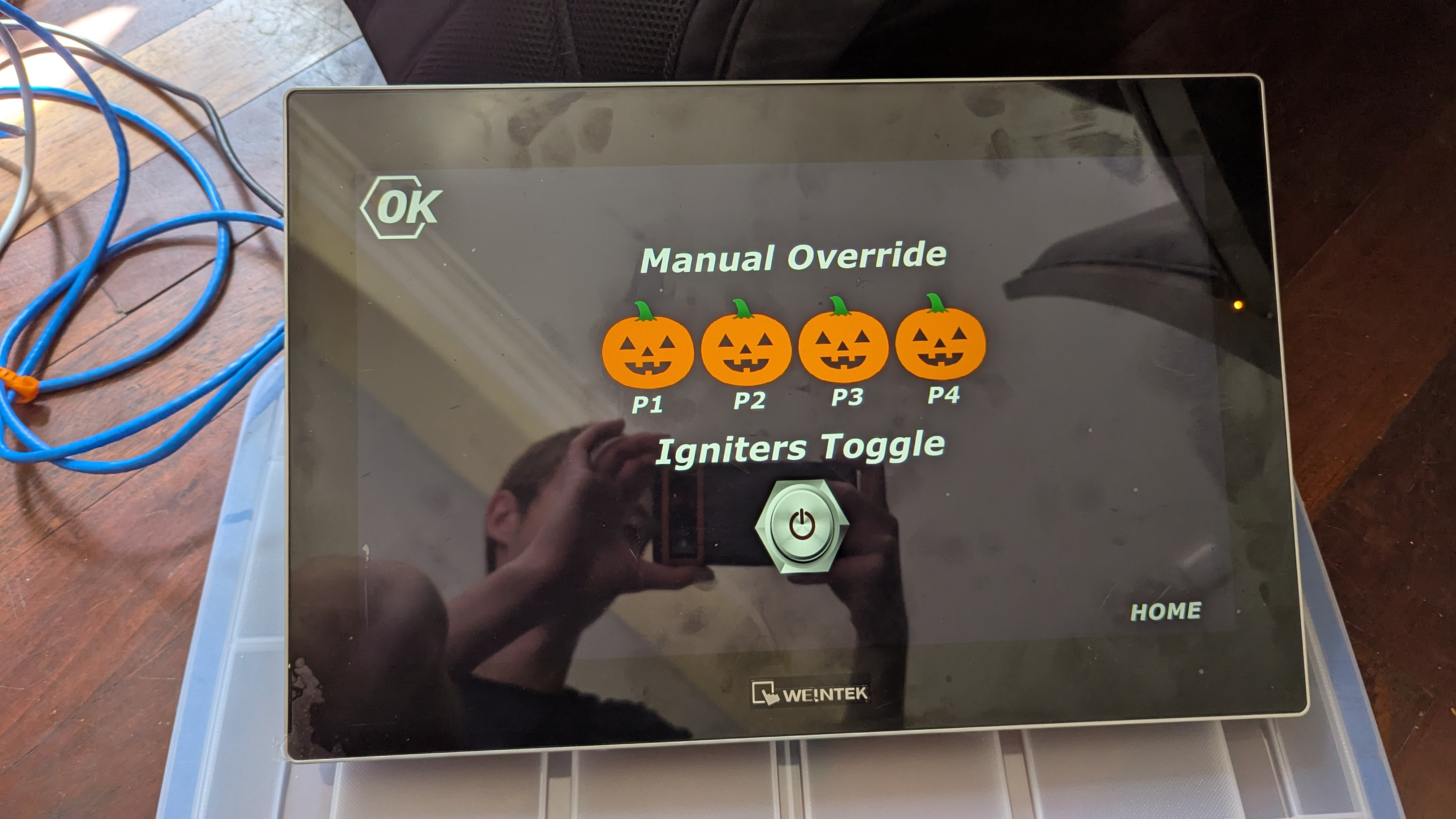
After cleaning and reflashing — custom UI for manual and sequenced pumpkin control
Networking & Music Synchronization
Music synchronization required a way to send real-time firing commands to the PLC from a computer. The solution was Modbus TCP/IP — an industrial protocol the Micro850 speaks natively. A Raspberry Pi ran both the music playback and the timing script, writing coil states over the network to trigger each solenoid on beat. An old router bridged the Pi and the laptop for configuration and monitoring without needing internet.
The first attempt at music sync was done entirely by hand: my sister sat down and manually transcribed the timing for AC/DC's Thunderstruck into a firing sequence. It kind of worked — which, for a first attempt with fire, counts as a win.
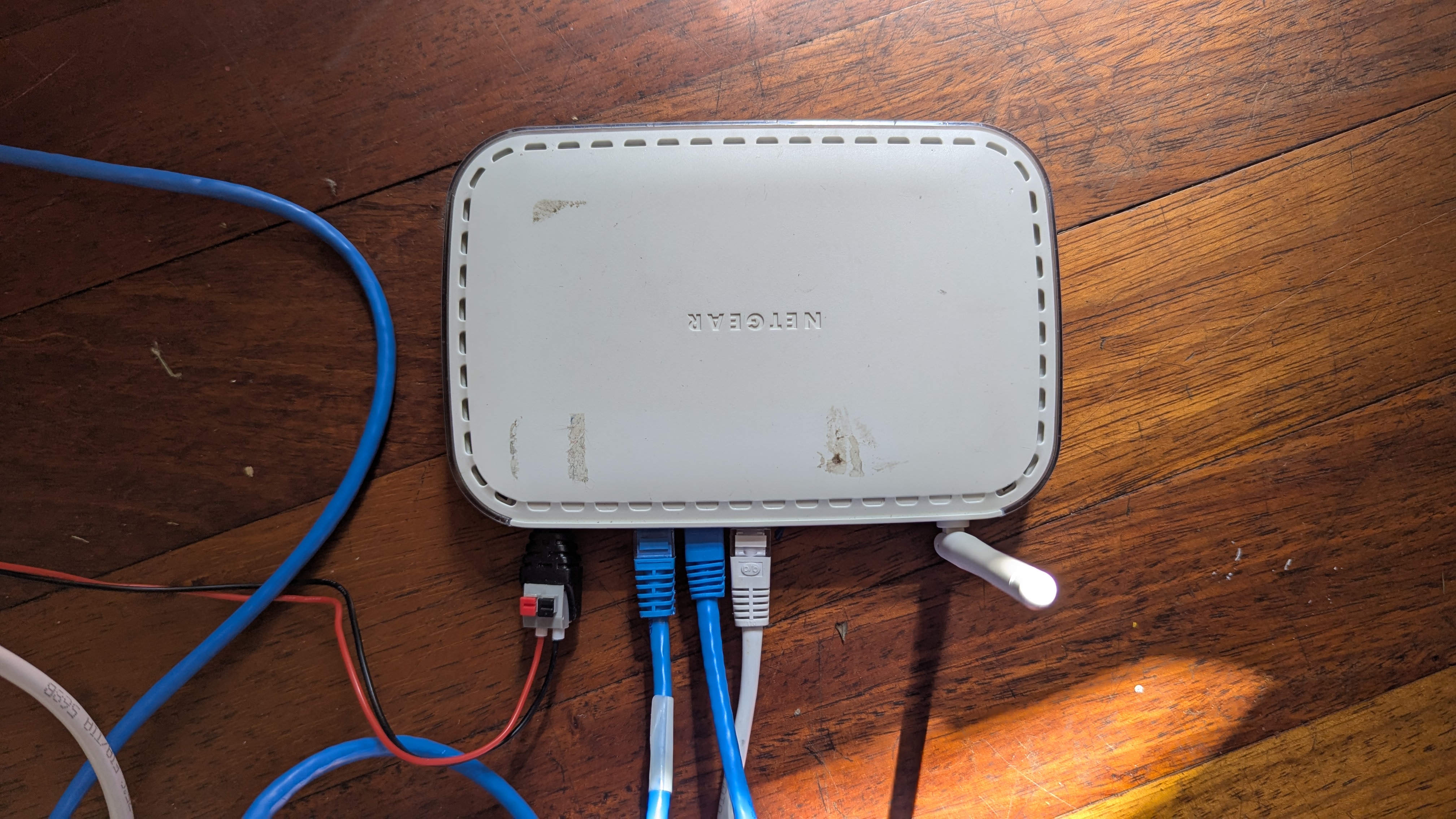
The old router forming a local network between the laptop, Pi, and PLC
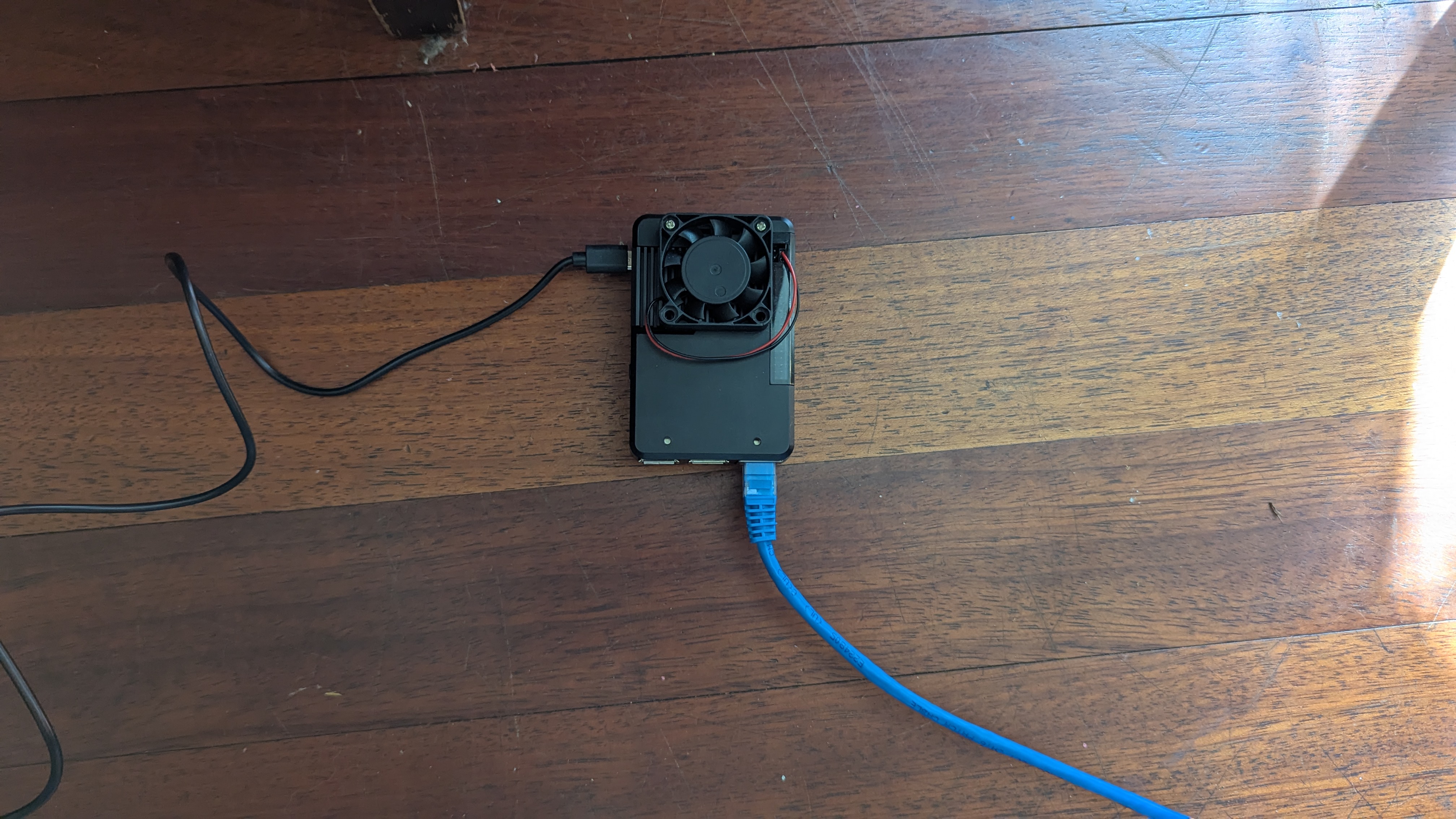
The Raspberry Pi — running music playback and sending firing commands over Modbus TCP/IP

My sister's hand-coded Thunderstruck firing sequence — first music sync attempt
2025 — The Full Choir
By Halloween 2025, the system had grown to four pumpkins, four tanks, a custom HMI interface, a dedicated Pi controller, and automated music synchronization. The project was demonstrated at the Hopkinton State Fair, where a poster summarized the engineering for curious onlookers — and a pair of fire extinguishers stood by, just in case.
The full 2025 Fire Choir in action
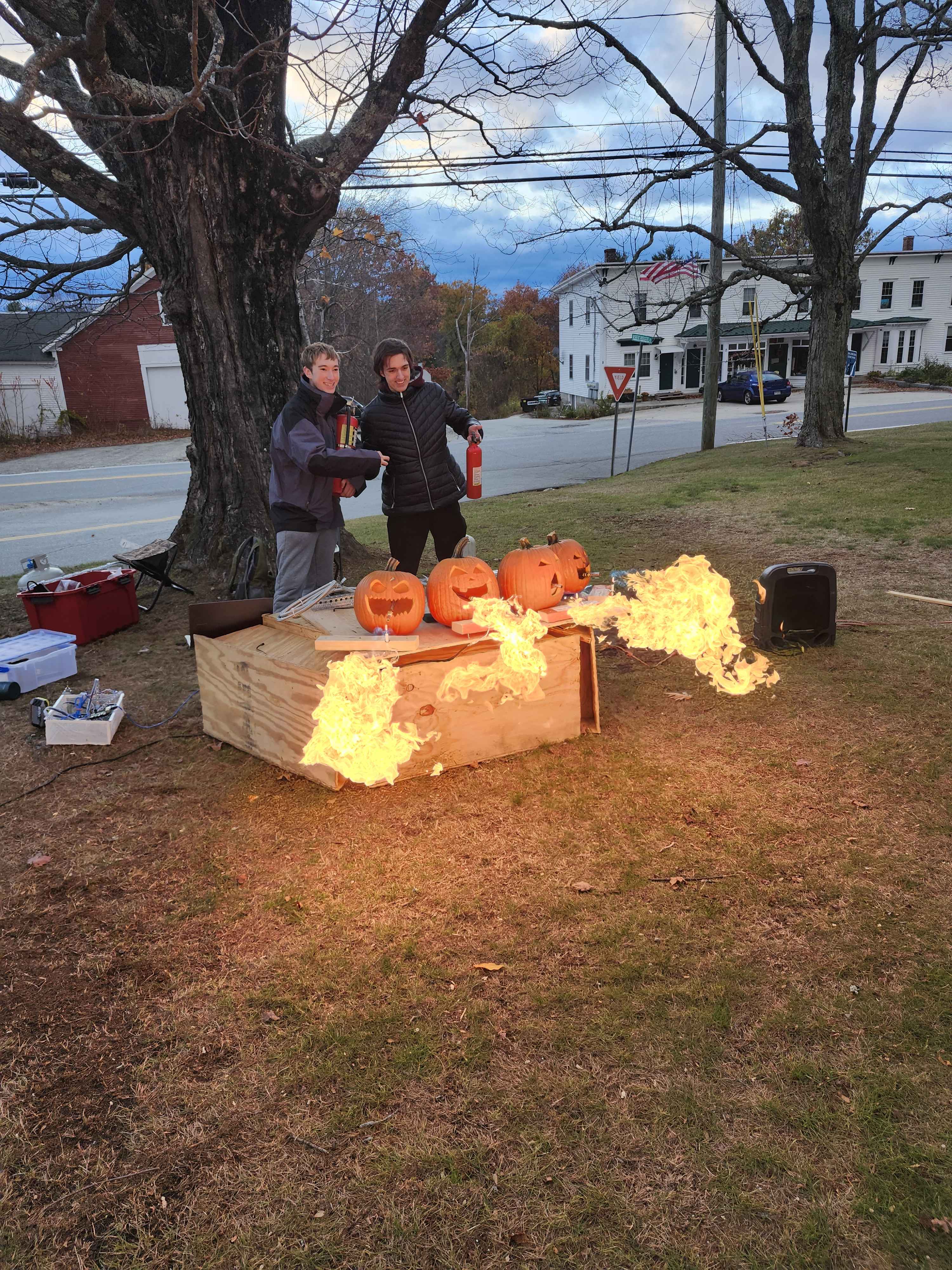
Derek and Ryan behind the 2025 Fire Choir — fire extinguishers at the ready

The project poster from the Hopkinton State Fair
Icons by IONICONS and PAPIRUS
icon theme.
This website is based on an MIT-licensed template by codewithsadee.
Copyright (c) 2025 Derek Baier.